

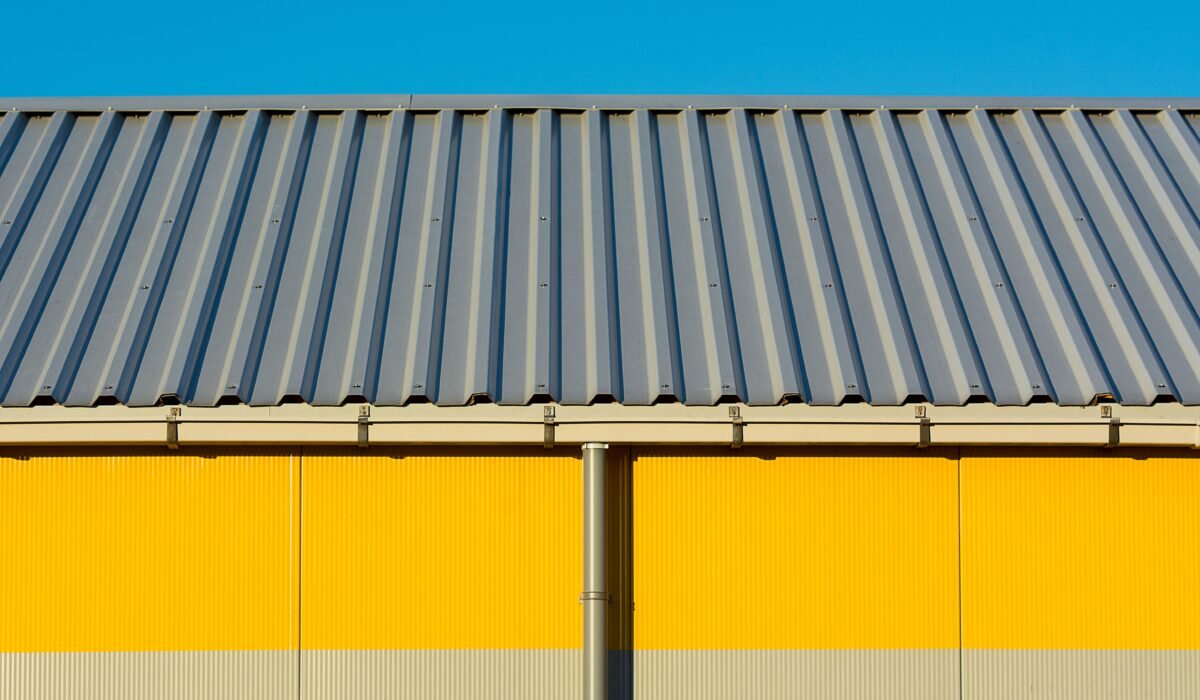
Commercial property owners need a roofing system that can handle changing weather, protect the building from moisture, and support long-term maintenance goals. For many low-slope and flat-roof commercial buildings, PVC roofing systems are one option worth considering.
PVC roofing is widely used on commercial buildings because its membrane seams can be heat-welded, and the material offers resistance to moisture and certain chemicals. However, the right roofing system depends on the building’s structure, roof condition, intended use, and budget.
For property owners in Dallas, TX, understanding how PVC roofing works can make it easier to compare roofing options and plan a repair or replacement project. In this guide, Pete’s Builders explains the benefits, installation methods, costs, and maintenance considerations associated with commercial PVC roofing.
What Are PVC Roofing Systems?
PVC stands for polyvinyl chloride, a synthetic material used to manufacture roofing membranes. A PVC roofing system typically consists of a flexible membrane installed over an appropriate roof assembly, which may include insulation, a cover board, and a supporting roof deck.
PVC membranes are commonly used on flat and low-slope commercial roofs. Unlike traditional asphalt-based roofing, PVC systems use a single-ply membrane to form a protective layer across the roof surface.
One of the defining features of PVC roofing is its heat-welded seams. Installers use specialized equipment to fuse overlapping membrane sections together. When properly installed and inspected, these seams help create a continuous, water-resistant roofing surface.
A complete PVC roofing system also includes properly designed flashing, drainage components, edge details, and seals around rooftop equipment. The performance of the entire assembly depends on these details, not just the membrane itself.
Key Benefits of PVC Roofing Systems
PVC roofing can be a practical choice for certain commercial buildings. Property owners should evaluate its advantages alongside the building’s specific requirements.
1. Heat-Welded Seams for Water Resistance
One important feature of PVC roofing is its heat-welded seams. Instead of relying exclusively on adhesives or tapes to join membrane sections, installers use controlled heat to fuse compatible membrane surfaces.
Properly welded seams help reduce opportunities for water intrusion. However, installation quality remains essential. Incorrect welding, damaged flashing, or poorly detailed roof penetrations can still lead to leaks.
For commercial property owners in Dallas, professional installation and regular inspections are important parts of protecting the roof against rainwater intrusion.
2. Resistance to Certain Chemicals and Grease
PVC roofing membranes can offer resistance to grease, oils, and certain chemicals, depending on the product formulation and exposure conditions.
This characteristic can make PVC worth evaluating for restaurants, food-service facilities, and some industrial or commercial buildings where rooftop exhaust systems may expose the roof to grease.
Not every PVC product is suitable for every chemical exposure. Property owners should confirm compatibility with the membrane manufacturer and roofing contractor before selecting a system.
3. Reflective Surface Options
Many PVC roofing membranes are available in light-colored finishes designed to reflect sunlight. A reflective roof surface can help reduce the amount of solar heat absorbed by the roof.
This may support lower roof surface temperatures and reduce cooling demand under suitable conditions. Actual energy savings depend on factors such as insulation, HVAC efficiency, building design, roof exposure, and operating schedules.
For commercial buildings in Dallas, where summer temperatures can be high, roof reflectivity is one factor worth considering when comparing roofing materials.
4. Durability and Repairability
PVC membranes are designed for commercial roofing applications and can provide durable protection when the system is correctly specified, installed, and maintained.
Small areas of membrane damage may be repairable using compatible materials and manufacturer-approved procedures. Regular inspections can help identify problems before they affect larger sections of the roof.
The membrane’s service life depends on product quality, installation, maintenance, weather exposure, rooftop traffic, and other site-specific conditions. No roofing system should be assumed to last a fixed number of years without considering these factors.
Types of PVC Roofing Systems
PVC roofing systems can be installed using different attachment methods. The appropriate method depends on the roof deck, insulation, building design, wind requirements, and manufacturer’s specifications.
Mechanically Attached PVC Roofing
In a mechanically attached system, fasteners and plates secure the membrane or roofing assembly to the supporting structure at designated locations.
This method may be suitable for many commercial roof designs, but installers must consider wind uplift requirements, deck conditions, fastener placement, and the manufacturer’s installation instructions.
Fully Adhered PVC Roofing
A fully adhered system uses an approved adhesive to bond the membrane to the appropriate substrate or cover board.
This method can create a smooth roof surface without the same visible fastening pattern as some mechanically attached systems. Proper substrate preparation, adhesive selection, and installation conditions are critical to performance.
Induction-Welded PVC Roofing
Some roofing systems use induction welding to attach compatible membrane assemblies to specialized plates. The process uses purpose-designed equipment and components to secure the system according to the manufacturer’s specifications.
Induction-welded systems are not interchangeable with every PVC roofing product. The membrane, plates, fasteners, and installation process must be compatible.
Reinforced and KEE-Modified PVC Membranes
Many commercial PVC membranes incorporate reinforcement to support dimensional stability and resistance to stresses encountered during service.
Some products also use ketone ethylene ester (KEE) modification. These products may have different performance characteristics from standard PVC membranes.
Property owners should compare product data, membrane thickness, warranty conditions, and manufacturer recommendations rather than assuming every PVC roofing material performs identically.
PVC Roofing Installation: What Property Owners Should Know
The quality of a PVC roofing installation affects its ability to protect a commercial building. Before selecting a contractor, understand the major stages of the project.
Step 1: Inspect the Existing Roof
A roofing contractor should assess the existing membrane, roof deck, insulation, drainage, flashing, and rooftop equipment.
If moisture has entered the roofing assembly, affected insulation or other components may require removal or replacement. Installing a new membrane over unsuitable existing materials can leave underlying problems unresolved.
The inspection helps determine whether the project calls for repairs, an approved roof overlay, or a complete replacement.
Step 2: Prepare the Roofing Assembly
The existing roof must be prepared according to the selected system’s requirements. Depending on the project, preparation may involve removing damaged materials, repairing the deck, addressing moisture, or installing compatible insulation and cover boards.
The contractor should also evaluate roof slope and drainage. A new membrane cannot compensate for every underlying drainage problem.
Step 3: Install the Membrane
Installers position the PVC membrane and secure it using the specified attachment method. Membrane sections are overlapped, and compatible seams are heat-welded according to manufacturer requirements.
The installation also needs careful detailing around drains, vents, HVAC units, skylights, parapets, and roof edges. These areas often require specialized flashing and termination details.
Step 4: Inspect Seams and Roof Details
After installation, the roofing contractor should inspect the seams, flashing, penetrations, edges, and drainage components.
The contractor should also follow applicable manufacturer inspection procedures, building requirements, and warranty documentation standards.
For commercial roof replacement in Dallas, property owners should request a written scope of work that explains the materials, attachment method, insulation, flashing details, cleanup, and warranty coverage.
PVC Roofing Systems for Commercial Buildings in Dallas, TX
Dallas commercial buildings can experience intense summer sunlight, high temperatures, heavy rainfall, hail, and strong winds. These conditions make roofing design, installation quality, and maintenance especially important.
Consider Weather Exposure and Wind Resistance
The roofing system should be selected according to the building’s location, height, exposure, roof geometry, and applicable wind design requirements.
A properly specified PVC system can provide weather protection, but it should not be considered automatically stormproof or hailproof. The membrane, supporting assembly, attachment method, and flashing all affect performance.
Following severe weather, property owners should arrange a qualified inspection if they suspect damage.
Evaluate the Building’s Intended Use
PVC roofing may be worth considering for several types of commercial buildings, including:
- Retail stores and shopping properties
- Restaurants and food-service facilities
- Offices and professional buildings
- Warehouses and distribution centers
- Selected industrial and institutional properties
A restaurant roof with grease exposure may have different material requirements from an office building or warehouse. A roofing contractor should assess these differences before recommending a system.
Consider Reflectivity and Insulation Together
A reflective PVC membrane may help reduce solar heat absorption, but the membrane is only one part of the roof assembly.
Insulation levels, air leakage, HVAC performance, roof ventilation where applicable, and the building’s operating schedule also affect energy performance. Property owners should evaluate the complete assembly rather than choosing a roofing membrane based on color alone.
How Much Do PVC Roofing Systems Cost?
The cost of a commercial PVC roofing project varies based on roof size, material specifications, labor, access, existing conditions, and installation requirements. An accurate estimate requires a site-specific assessment.
Roof Size and Complexity
Larger roofs generally require more materials and labor. Roofs with numerous drains, HVAC units, skylights, parapets, or complicated edges may require additional detailing.
Access restrictions and the need for specialized equipment can also affect project costs.
Existing Roof Condition
A roof with damaged decking, wet insulation, or deteriorated flashing may require additional preparation before a new PVC membrane can be installed.
Removing an existing roofing system can also affect labor, hauling, and disposal expenses. An inspection helps identify these potential costs before work begins.
Membrane Specifications and Attachment Method
Membrane thickness, product formulation, reinforcement, insulation, cover boards, and attachment methods can influence the overall project price.
Property owners should compare written proposals carefully to confirm that they cover comparable materials and installation details.
Maintenance and Long-Term Value
The lowest initial quote does not always provide the best long-term value. Consider the proposed system’s suitability, installation quality, maintenance requirements, repairability, and warranty terms.
A detailed estimate from a qualified commercial roofing contractor can help you evaluate the options available for your Dallas property.
PVC vs. TPO vs. EPDM Roofing Systems
PVC, TPO, and EPDM are three common single-ply membrane options for low-slope commercial roofs. Each has different material characteristics, installation methods, and suitable applications.
PVC Roofing
PVC membranes have heat-welded seams and can offer resistance to certain chemicals and grease. Reflective options are available, making PVC a potential choice for suitable commercial buildings.
TPO Roofing
Thermoplastic polyolefin (TPO) membranes also commonly use heat-welded seams and are available in reflective finishes. Performance varies by product formulation, reinforcement, thickness, and installation quality.
EPDM Roofing
Ethylene propylene diene monomer (EPDM) is a synthetic rubber roofing membrane used on many low-slope commercial buildings. Its seams and installation details differ from those of thermoplastic membranes.
Which Roofing System Is Best for a Commercial Building?
There is no single roofing system that is best for every building.
| Factor | PVC | TPO | EPDM |
|---|---|---|---|
| Membrane type | Thermoplastic | Thermoplastic | Synthetic rubber |
| Common seam method | Heat welding | Heat welding | System-dependent adhesives, tapes, or other approved methods |
| Chemical and grease exposure | Can suit certain exposures; verify compatibility | Product-specific evaluation needed | Verify compatibility with the expected exposure |
| Reflective options | Commonly available | Commonly available | Depends on membrane color and product |
| Key selection factors | Exposure, product specifications, installation | Product specifications, installation, exposure | Seam design, exposure, insulation, installation |
The best choice depends on the building’s use, roof condition, exposure, budget, insulation requirements, and warranty options. A professional assessment can help determine which system is appropriate for your property.
PVC Roof Repair and Maintenance
Even a properly installed commercial PVC roof needs periodic inspections. Routine maintenance helps identify developing problems and can reduce the risk of avoidable damage.
Common PVC Roofing Problems
Issues that may require professional attention include:
- Damaged or poorly welded seams
- Punctures, tears, or membrane damage
- Deteriorated flashing around rooftop equipment
- Blocked drains or persistent standing water
- Damage caused by foot traffic or maintenance work
The cause of a leak may not be directly above the interior water stain. A qualified contractor should inspect the roof assembly and surrounding details to identify the source.
When Should You Repair or Replace a PVC Roof?
A repair may be suitable when damage is localized and the surrounding roof assembly remains in acceptable condition.
Replacement may warrant consideration when the membrane has widespread deterioration, recurring leaks, extensive moisture damage, or other problems that make continued repairs impractical.
The decision should account for the roof’s overall condition, repair history, insulation, and expected maintenance requirements.
Commercial Roof Maintenance Checklist
To help protect your investment:
- Inspect the roof and flashing periodically.
- Keep drains and drainage paths clear.
- Check around HVAC units and other roof penetrations.
- Document visible damage after severe weather.
- Arrange qualified inspections and repairs when needed.
- Follow manufacturer guidance for roof access and maintenance.
Avoid making unauthorized repairs or allowing incompatible materials to contact the membrane. These actions may damage the roof or affect warranty coverage.
How to Choose a Commercial Roofing Contractor in Dallas, TX
Selecting an appropriate contractor is an important part of a successful PVC roofing project. Before signing a contract, consider the following:
- Commercial roofing experience: Ask about projects involving similar roof types and building uses.
- Material knowledge: Confirm that the contractor understands the proposed PVC membrane and approved installation methods.
- Insurance and compliance: Verify appropriate insurance and any applicable licensing or registration requirements.
- Detailed proposals: Request a written scope covering materials, insulation, attachment, flashing, drainage, and cleanup.
- References: Review relevant customer feedback and comparable project experience.
- Warranty details: Understand manufacturer coverage, workmanship coverage, exclusions, and maintenance obligations.
- Project communication: Confirm scheduling, safety procedures, site access, and how unexpected conditions will be handled.
Comparing these factors can help commercial property owners make a more informed decision than choosing a contractor based on price alone.
Commercial Roofing Services from Pete’s Builders in Dallas, TX
Commercial roofing decisions should begin with an understanding of the building’s current condition and long-term needs. A PVC membrane may be a suitable option for some low-slope roofs, but other properties may benefit from a different roofing material or a targeted repair.
Pete’s Builders provides roofing services for residential and commercial properties. If you are considering a commercial roof repair or replacement in Dallas, TX, start by evaluating the existing roof, identifying any moisture or drainage issues, and comparing suitable roofing systems.
Before moving forward, ask for a clear project assessment and a written estimate that explains the proposed materials, installation process, and warranty considerations.
Need help evaluating your commercial roof in Dallas, TX? Contact Pete’s Builders to discuss your roofing needs and determine the appropriate next step for your property.
Frequently Asked Questions About PVC Roofing Systems
How long do PVC roofing systems last?
The service life of a PVC roofing system depends on the membrane product, installation quality, maintenance, weather exposure, and overall roof assembly. Ask the manufacturer and contractor about product-specific performance information and warranty terms.
Are PVC roofing systems suitable for commercial flat roofs?
Yes. PVC membranes are commonly used on low-slope commercial roofs. Proper drainage, insulation, attachment, flashing, and seam installation are essential to the performance of the complete system.
Is PVC roofing better than TPO?
Not in every situation. PVC can be advantageous for certain chemical or grease exposures, while both PVC and TPO offer heat-welded seams and reflective product options. The appropriate choice depends on the building, exposure, product specifications, and budget.
Can a PVC roof be installed over an existing roof?
An overlay may be possible in some cases, but it depends on the existing roof’s condition, moisture levels, structural suitability, manufacturer requirements, and applicable codes. An inspection is necessary before deciding.
Does PVC roofing help reduce cooling costs in Dallas?
A reflective PVC membrane may reduce solar heat absorption and help lower cooling demand in suitable buildings. Actual savings depend on insulation, HVAC efficiency, building design, and operating conditions. No fixed energy savings should be assumed without a building-specific evaluation.
How much does a commercial PVC roof cost in Dallas, TX?
The cost depends on roof size, membrane specifications, access, existing roof conditions, insulation, flashing, and labor. A site inspection and detailed written estimate are the best ways to establish a realistic project budget.
Conclusion
PVC roofing systems can provide a practical solution for many low-slope commercial buildings, offering heat-welded seams, reflective membrane options, and resistance to certain chemicals and grease. Their suitability depends on the building’s intended use, weather exposure, existing roof condition, and installation requirements.
For commercial property owners in Dallas, TX, the key is to compare roofing systems based on performance, installation quality, maintenance, and long-term value rather than price alone.
Pete’s Builders can help property owners evaluate their commercial roofing needs and explore appropriate repair or replacement options. A professional assessment is a useful first step toward making an informed roofing decision.