

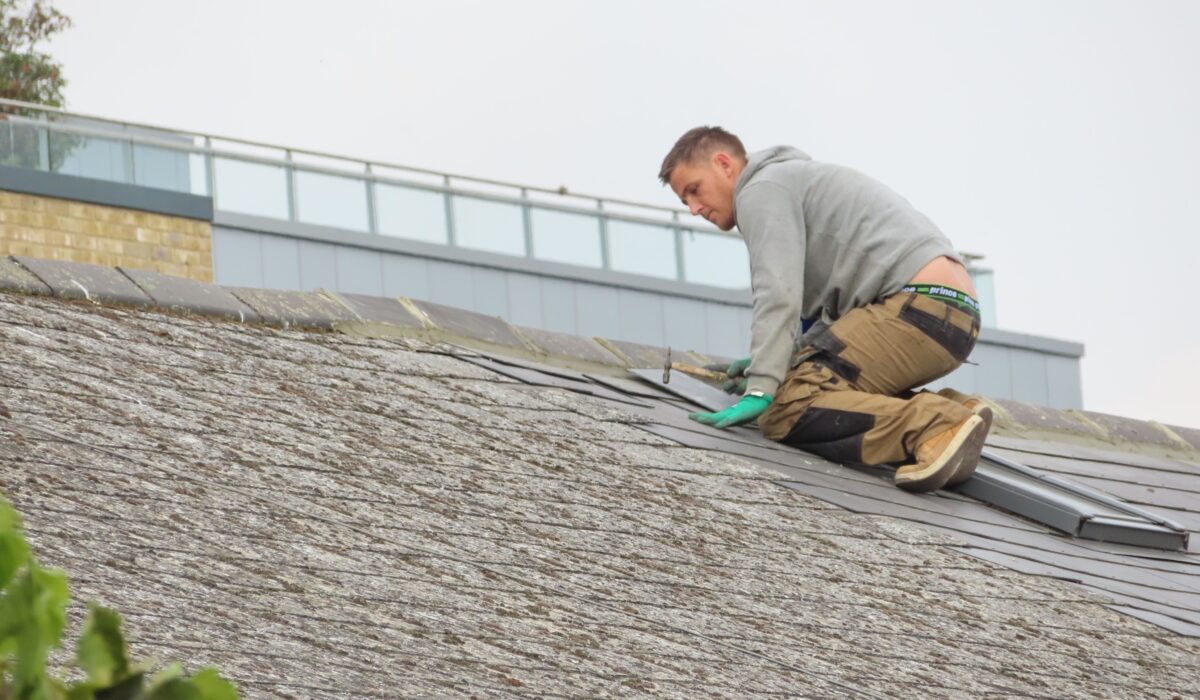
If you own or manage a commercial property in Dallas, TX, choosing the right roofing system is an important long-term decision. Flat and low-slope commercial buildings need a roofing membrane that can handle regular sun exposure, heavy rain, temperature changes, and the demands of ongoing building maintenance.
EPDM roofing is one option commercial property owners may consider. Also known as EPDM rubber roofing, this membrane system is commonly used on low-slope and flat-roof buildings.
But is an EPDM roofing system right for your Dallas property? The answer depends on your existing roof, building design, drainage, insulation requirements, condition of the roof deck, and long-term maintenance plans.
In this guide, we’ll explain how an EPDM roof system works, where it can be used, what installation involves, common repair issues, maintenance considerations, costs, and how to choose experienced roof builders in Dallas, TX.
What Is EPDM Roofing?
EPDM stands for ethylene propylene diene monomer, a synthetic rubber material manufactured into roofing membranes.
EPDM roofing is designed to provide a waterproofing layer over a building. It is particularly associated with commercial flat and low-slope roofing applications.
An EPDM roofing system is more than just the membrane itself. Depending on the building and project requirements, the complete roof assembly can include insulation, a roof deck, fasteners or adhesives, flashing, seams, edge details, and drainage components.
For a Dallas commercial property, the correct system should be selected based on the building’s existing roof structure and the property’s specific requirements rather than simply choosing a roofing material based on price.
What Is EPDM Rubber Roofing?
EPDM rubber roofing uses a flexible synthetic rubber membrane as the primary waterproofing layer.
The membrane is installed over the prepared roof assembly and connected using an installation method appropriate for the specific project. Seams, flashing, penetrations, edges, and drainage areas require particular attention because these details can affect the overall performance of the roof.
How Does an EPDM Roofing System Work?
An EPDM roofing system works as a complete assembly rather than as an isolated sheet of material.
Typical components can include:
- EPDM membrane
- Roof insulation
- Roof deck
- Adhesives or mechanical fasteners
- Seam materials
- Flashing
- Edge details
- Roof drains and other drainage components
The goal is to create a continuous roofing assembly that protects the building from water intrusion while accommodating the property’s structural and environmental requirements.
Why Consider EPDM Roofing for a Dallas Commercial Building?
Dallas commercial properties can experience substantial sun exposure, intense heat, thunderstorms, heavy rainfall, and changing weather conditions. These factors make proper roof design, installation, drainage, and maintenance important.
EPDM may be considered for certain commercial buildings because of its membrane construction and suitability for many low-slope roofing applications.
Designed for Low-Slope and Flat Roofing Applications
Many commercial buildings have roof designs where traditional steep-slope shingles are not the appropriate solution.
EPDM membranes are commonly used on flat and low-slope roofs, making them an option for certain:
- Office buildings
- Retail properties
- Warehouses
- Industrial facilities
- Commercial facilities
- Low-slope building structures
The right roofing system depends on the property’s existing construction and requirements.
Durability and Dallas Weather Exposure
A commercial roof in Dallas must be evaluated for the environmental conditions it experiences throughout the year.
Important considerations include:
- Prolonged sun exposure
- High temperatures
- Heavy rain
- Severe thunderstorms
- Wind exposure
- Temperature fluctuations
- Roof drainage
A roofing material alone does not determine how well a roof performs. Installation quality, flashing, seams, drainage, roof design, and maintenance all play important roles.
Maintenance and Long-Term Roof Management
Even a properly installed commercial roofing system requires maintenance.
Regular inspections can help property owners identify developing issues involving:
- Membrane damage
- Seams
- Flashing
- Roof penetrations
- Drainage
- Standing water
- Storm-related damage
Addressing smaller problems early may help prevent them from developing into more extensive roofing issues.
EPDM Roofing System Components
Understanding the components of an EPDM roof system can help Dallas property owners make better decisions when comparing commercial roofing options.
EPDM Membrane
The EPDM membrane is the primary waterproofing layer.
Its job is to protect the underlying roof assembly from water intrusion. The membrane must be properly installed and detailed around edges, seams, penetrations, and other roof features.
Roof Insulation
Insulation can form an important part of a commercial roof assembly.
The appropriate insulation configuration depends on the building, existing roof construction, energy considerations, and project specifications.
Flashing and Edge Details
Roof edges, walls, curbs, penetrations, and transitions require specialized detailing.
Poorly maintained or improperly installed flashing can become a source of water intrusion even when the main membrane remains in good condition.
Seams and Adhesive Connections
Depending on the installation method, EPDM membranes may involve bonded seams and other connection details.
These areas should be inspected as part of routine commercial roof maintenance.
Drainage System
A roofing system also needs an effective way to move water away from the roof.
Drains, scuppers, gutters, and other drainage components should be kept clear and evaluated during roof inspections.
EPDM Roof Installation in Dallas, TX
Installing an EPDM roof is a project that requires more than placing a membrane over an existing surface.
A professional installation typically begins with evaluating the existing roof and determining the appropriate roof assembly.
Roof Inspection and Assessment
Before installing a new EPDM roofing system, the existing roof should be evaluated.
An assessment may consider:
- Existing membrane condition
- Roof deck condition
- Water intrusion
- Drainage
- Flashing
- Existing insulation
- Roof penetrations
- Previous repairs
For commercial properties, a detailed assessment can help determine whether replacement is actually necessary or whether repair or another roofing solution may be more appropriate.
You can learn more about Pete’s Builders TX’s roof inspection and maintenance services.
Preparing the Existing Roof
Proper preparation is an important part of an EPDM roofing project.
Depending on the existing roof and selected system, preparation may involve removing deteriorated materials, repairing damaged areas, preparing the substrate, and addressing drainage or flashing concerns.
The exact scope should be determined after an on-site assessment.
Installing the EPDM Roofing Membrane
The membrane is installed according to the requirements of the selected roofing system.
Installation can involve adhesives, mechanical attachment, or other appropriate methods. The roofing contractor must also address seams, edges, penetrations, curbs, and transitions.
Flashing, Seams, and Penetrations
These details deserve particular attention during installation.
Commercial roofs often contain HVAC equipment, vents, pipes, skylights, curbs, drains, and other penetrations. Each penetration creates a location that needs appropriate waterproofing and detailing.
Final Inspection
After installation, the roof should be inspected to evaluate the membrane, seams, flashing, edges, penetrations, and drainage system.
A final inspection provides an opportunity to identify installation issues before the roofing project is considered complete.
EPDM Roof Repair in Dallas, TX
Not every EPDM roofing problem requires a complete roof replacement.
If your commercial property already has an EPDM roof, the first step should generally be determining what is actually causing the problem.
Common EPDM Roof Problems
Potential issues can include:
- Roof leaks
- Membrane punctures
- Damaged membrane
- Seam problems
- Deteriorated flashing
- Damage around penetrations
- Drainage problems
- Storm-related damage
- Standing water
Some problems may be localized and repairable, while others may indicate broader deterioration.
When Does an EPDM Roof Need Repair?
A professional roof inspection can help determine whether a problem is isolated or part of a larger issue.
For example, a single damaged section may require targeted repair, while repeated leaks across multiple areas may justify a more comprehensive evaluation.
For commercial properties experiencing active leaks, professional leak detection and repair can help identify the source of water intrusion.
When Is EPDM Roof Replacement a Better Option?
Replacement may be considered when the roof has extensive deterioration, widespread damage, recurring leaks, or an aging system that no longer makes economic sense to continue repairing.
The decision should be based on the actual condition of the roof rather than simply its age.
For larger commercial roofing projects, see Pete’s Builders TX’s commercial roof replacement services.
EPDM Roof Replacement vs. Repair
One of the most common questions commercial property owners face is whether they should repair their existing EPDM roof or replace it.
| Roof Condition | Possible Approach |
|---|---|
| Small localized damage | Targeted repair may be appropriate |
| Isolated leak | Inspect and repair the affected area |
| Several recurring leaks | Evaluate the overall roof |
| Extensive membrane damage | Replacement may be considered |
| Aging roof with widespread deterioration | Compare repair costs with replacement |
There is no universal answer. A professional inspection can provide the information needed to make a more informed decision.
How Much Does EPDM Roofing Cost in Dallas, TX?
The cost of an EPDM roofing project can vary significantly from one commercial building to another.
Instead of relying on a generic online price, Dallas property owners should obtain a project-specific assessment.
Roof Size
The size of the roof affects the amount of membrane, insulation, accessories, labor, and equipment required.
Existing Roof Condition
An existing roof that requires extensive preparation, repairs, or removal can have a different project scope than a roof that is already properly prepared.
Roof Accessibility
Building height, access to the roof, equipment requirements, and site conditions can affect installation requirements and labor.
Roof Design and Penetrations
HVAC equipment, vents, skylights, curbs, drains, pipes, and other penetrations can increase the complexity of a commercial roofing project.
Insulation and Roof Assembly
The selected roof assembly and insulation requirements can also affect the overall project scope.
For an accurate estimate, a Dallas commercial property owner should have the roof evaluated by a qualified roofing professional.
EPDM Rubber Roofing vs. Other Commercial Roofing Systems
EPDM is not the only membrane or commercial roofing option available.
The best choice depends on the building, roof design, climate exposure, budget, maintenance strategy, and project objectives.
EPDM vs. TPO Roofing
EPDM and TPO are both used in commercial roofing applications, but they are different roofing materials with different characteristics and installation requirements.
When comparing them, property owners should consider:
- Roof design
- Installation requirements
- Building use
- Maintenance
- Expected performance
- Project budget
- Long-term roof management
Pete’s Builders TX also provides information about commercial roofing systems and related commercial roofing solutions.
EPDM vs. Modified Bitumen
Modified bitumen is another commercial roofing option that can be appropriate for certain low-slope applications.
The choice between modified bitumen and EPDM should be based on the building and the specific requirements of the roofing project.
EPDM vs. Built-Up Roofing
Built-up roofing, commonly known as BUR, is another established commercial roofing system.
Property owners comparing BUR with EPDM should evaluate the existing roof, building design, installation requirements, maintenance expectations, and long-term goals.
How to Choose EPDM Roof Builders in Dallas, TX
Choosing the right contractor is just as important as choosing the roofing material.
A good roofing system can still experience problems when it is poorly designed, improperly installed, or inadequately maintained.
Look for Commercial Roofing Experience
EPDM is commonly associated with commercial low-slope and flat roofing applications, so property owners should look for contractors with relevant commercial roofing experience.
Ask about experience with:
- EPDM membranes
- Flat and low-slope roofs
- Commercial roof repairs
- Commercial roof replacements
- Roof inspections
- Leak detection
- Preventive maintenance
Ask About the Inspection and Installation Process
A contractor should be able to explain why a particular roofing system is being recommended.
Ask how they will evaluate:
- Existing roof condition
- Roof deck
- Drainage
- Flashing
- Insulation
- Roof penetrations
- Existing leaks
Verify Insurance, Credentials, and References
Before hiring a roofing contractor, verify the company’s applicable insurance coverage, credentials, references, and project experience.
For a major commercial roofing project, it is reasonable to ask for examples of comparable work and a clear explanation of the proposed system.
Get a Detailed Roofing Proposal
A written proposal should clearly explain the project scope.
Look for details about:
- Materials
- Roof preparation
- Repairs
- Installation
- Flashing
- Cleanup
- Warranty information
- Project exclusions
A detailed proposal makes it easier to compare contractors and understand what you are actually paying for.
EPDM Roof Maintenance for Dallas Commercial Properties
Roof maintenance should not wait until a leak appears inside the building.
A preventive maintenance approach can help property owners identify developing problems before they become major repairs.
Schedule Regular Roof Inspections
Commercial roofs should be inspected periodically and after significant weather events when appropriate.
A professional inspection can evaluate the membrane, seams, flashing, penetrations, drainage, and other components.
Keep Roof Drainage Clear
Blocked drains, scuppers, gutters, and other drainage components can create water-management problems.
Property owners should make drainage inspection part of their commercial roof maintenance program.
Inspect Seams and Flashing
Seams and flashing are important areas to evaluate during roof inspections.
Damage, separation, deterioration, or other issues should be addressed according to the condition of the roofing system.
Address Roof Damage Quickly
A small roofing problem can become more expensive when it is ignored.
If you notice a leak, membrane damage, storm damage, or another roofing concern, arrange an inspection as soon as practical.
When Should You Call an EPDM Roofing Contractor in Dallas?
Dallas commercial property owners should consider contacting a roofing professional when they notice:
- Interior water stains
- Active roof leaks
- Damaged EPDM membrane
- Ponding or standing water
- Damaged flashing
- Visible seam problems
- Storm-related roof damage
- Recurring leaks
- Deteriorating roof materials
For urgent problems, Pete’s Builders TX provides emergency roof repair services.
Why Dallas Businesses Need a Local Commercial Roofing Approach
A commercial roofing strategy should account for the actual conditions of the property.
For Dallas buildings, roof owners need to consider factors such as strong sun exposure, high temperatures, heavy rain, thunderstorms, drainage, and the physical characteristics of the building.
A local commercial roofing approach also makes ongoing inspections, repairs, maintenance, and future replacement planning easier to manage.
Rather than selecting a roofing system based solely on an online description, Dallas property owners should evaluate the existing roof and determine which system fits the building.
Why Choose Pete’s Builders TX for EPDM Roofing in Dallas?
For commercial property owners considering an EPDM roofing system, the process should begin with understanding the current roof and the property’s requirements.
Pete’s Builders TX provides commercial roofing services for Dallas properties, including roof inspection and maintenance, repairs, commercial roof replacement, and other commercial roofing solutions.
The appropriate solution may be an EPDM system, a repair to an existing roof, a maintenance program, or another commercial roofing system depending on the property’s condition.
Start with a professional evaluation rather than assuming that complete replacement is necessary.
Ready to evaluate your commercial roof in Dallas, TX? Contact Pete’s Builders TX to discuss your roofing needs and request a professional assessment.
Frequently Asked Questions About EPDM Roofing in Dallas, TX
Is EPDM roofing good for commercial buildings?
EPDM can be suitable for many commercial flat and low-slope roofing applications. Whether it is appropriate for a specific Dallas building depends on the roof design, existing roof assembly, drainage, building requirements, and project objectives.
How long does an EPDM roof last?
The service life of an EPDM roof depends on factors such as material quality, installation, weather exposure, roof assembly, maintenance, and the condition of the roof over time. A contractor should evaluate the actual condition of the roof rather than relying only on a standard lifespan estimate.
Is EPDM rubber roofing waterproof?
EPDM is designed as a waterproofing roofing membrane. However, the performance of a complete EPDM roof system also depends on proper seams, flashing, penetrations, drainage, installation, and maintenance.
Can EPDM roofing be repaired?
Yes. Localized damage to an EPDM roof can sometimes be repaired. However, widespread deterioration or recurring problems may require a more comprehensive evaluation and potentially replacement.
Is EPDM suitable for a flat roof in Dallas?
EPDM is commonly used for flat and low-slope commercial roofing applications. The suitability of EPDM for a particular Dallas property depends on the building’s existing roof construction and project requirements.
How much does an EPDM roof cost in Dallas?
There is no single price that applies to every Dallas commercial property. Roof size, existing roof condition, accessibility, preparation, insulation, penetrations, drainage, materials, and labor can all affect the project cost.
What is an EPDM roofing system?
An EPDM roofing system is a complete roof assembly that uses an EPDM membrane as its primary waterproofing layer. Depending on the project, it can also include insulation, a roof deck, fasteners or adhesives, flashing, seams, edge details, and drainage components.
How do I find reliable EPDM roof builders in Dallas?
Look for contractors with relevant commercial roofing experience and verify applicable insurance, credentials, references, project history, installation procedures, and written proposals. A professional inspection should also be part of the process.
Get an EPDM Roofing Assessment in Dallas, TX
Choosing a commercial roofing system is a long-term property decision. If you’re considering EPDM roofing in Dallas, TX, start by evaluating your existing roof and understanding what your building actually needs.
Whether your property requires an EPDM roofing system, repair, maintenance, leak detection, or commercial roof replacement, a professional assessment can help you determine the appropriate next step.
Contact Pete’s Builders TX today to schedule a commercial roof assessment in Dallas, TX.