

Commercial flat roof leaks can cause serious problems for businesses, including damaged ceilings, ruined inventory, electrical hazards, and costly interior repairs. For property owners and facility managers in Dallas, Texas, identifying a leak early can help prevent a small roofing issue from becoming a major disruption.
Flat roofs are common on warehouses, office buildings, retail properties, and industrial facilities. Although these roofing systems are designed to protect buildings from the elements, their performance can decline because of severe weather, aging materials, drainage problems, and damaged roof seams.
Knowing the warning signs of a commercial flat roof leak can help you determine when to arrange a professional inspection and protect your property from further damage.
1. Look for Water Stains on Ceilings and Walls: Commercial flat roof leaks
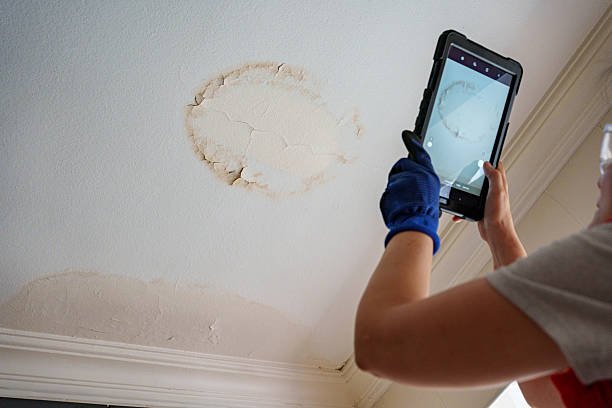
One of the most recognizable signs of a commercial roof leak is water staining inside the building.
Look for brown or yellow discoloration on ceiling tiles, drywall, and upper sections of interior walls. You might also notice bubbling paint, peeling finishes, or damp patches that become more noticeable after rainfall.
In commercial properties, these signs may appear in offices, storage rooms, hallways, retail areas, or warehouse spaces.
However, the location of an interior water stain does not always indicate where the roof is leaking. Water can travel along roof decking, insulation, structural components, and utility lines before becoming visible indoors.
What to do: Photograph the affected area, note when the staining appears, and arrange a commercial roof inspection to identify the source.
2. Check for Ponding Water on the Roof
Standing water is another important warning sign on a commercial flat roof.
After rainfall, some water may remain temporarily on a flat or low-slope roof. However, persistent ponding can indicate inadequate drainage, blocked drains, roof depressions, or structural concerns.
In Dallas, intense rainstorms can place considerable demands on commercial roof drainage systems. If water cannot drain efficiently, it may increase the risk of leaks and accelerate deterioration in vulnerable roofing areas.
During an inspection, a roofing professional may examine:
- Roof drains and surrounding areas
- Scuppers and drainage outlets
- Areas where the roof membrane appears depressed
- Signs of water collecting around rooftop equipment
- Deterioration near seams and flashing
Never assume that every area of standing water requires complete roof replacement. The appropriate solution depends on the drainage conditions, roofing system, and overall condition of the roof.
3. Inspect Roof Seams for Separation
Many commercial flat roofing systems use membranes joined by seams. Depending on the building, these systems may include TPO, EPDM, or modified bitumen.
When seams deteriorate, separate, or become damaged, water may penetrate the roofing assembly.
Look for visible separation, lifted edges, cracks, or areas where the membrane appears loose. These conditions can be particularly important around transitions and locations where different roofing materials meet.
Dallas weather can expose roofing materials to heat, temperature changes, strong winds, and severe storms. Over time, these conditions may contribute to wear and damage.
Because seam integrity is essential to many membrane roofing systems, a qualified commercial roofing contractor should evaluate suspected damage and determine whether repairs are appropriate.
4. Examine Flashing Around Rooftop Equipment
Commercial roofs often contain HVAC units, vents, pipes, skylights, and other rooftop equipment. Each penetration or transition can create a potential entry point for water if the surrounding flashing or seals deteriorate.
Pay particular attention to:
- HVAC equipment curbs
- Plumbing and ventilation penetrations
- Skylight edges
- Parapet wall connections
- Roof-to-wall transitions
- Metal edge details
Damaged flashing may allow water to enter the building even when the main roof membrane appears to be in good condition.
If a leak develops near an HVAC unit or rooftop penetration, the source may be the flashing rather than the entire roofing system.
A professional inspection can help distinguish between localized flashing damage and a more extensive roofing problem.
5. Watch for Mold, Musty Odors, and Damp Insulation
Not every commercial roof leak produces an obvious ceiling stain.
Sometimes, moisture accumulates inside the roofing assembly or building structure before becoming visible. Persistent dampness may lead to musty odors, mold growth, deteriorating ceiling materials, or damaged insulation.
In warehouses and commercial facilities, hidden moisture can also affect stored products, equipment, and indoor working conditions.
If employees report unexplained odors or recurring moisture problems after rainfall, investigate the issue rather than assuming it is simply an indoor humidity problem.
Do not disturb suspected mold or enter areas with potentially unsafe structural or electrical conditions. Qualified professionals can assess the moisture source and recommend appropriate remediation.
6. Look for Damage After Dallas Storms
Severe weather is an important consideration for commercial property owners in North Texas.
Hail, strong winds, and heavy rainfall can damage exposed roofing components, loosen flashing, affect membrane seams, and expose existing weaknesses.
After a storm, look for visible changes such as displaced edge metal, damaged rooftop components, debris accumulation, and new interior water stains.
Some damage may not be apparent from ground level. Avoid climbing onto a roof to investigate storm damage yourself, particularly when the surface is wet, slippery, or structurally uncertain.
A qualified roofing contractor can inspect the roof, document visible damage, and recommend suitable repairs.
If water is entering the building, prioritize occupant safety, protect vulnerable equipment where safe to do so, and arrange appropriate temporary mitigation.
7. Understand Why Commercial Roof Leaks Can Be Difficult to Locate
Finding the exact source of a commercial roof leak is not always straightforward.
Water can travel horizontally beneath roofing materials before entering the building. Consequently, the visible leak may be several feet away from the damaged membrane, flashing, or drainage component.
Other potential causes include:
- Deteriorated roof penetrations
- Damaged membrane sections
- Defective or separated seams
- Blocked drainage systems
- Failed sealants and flashing
- Aging roofing materials
- Previous repairs that no longer perform effectively
A thorough inspection should evaluate the overall roofing assembly and investigate likely entry points rather than focusing exclusively on the location of interior water damage.
Depending on the roofing system and site conditions, a contractor may recommend moisture testing, infrared surveys, or other diagnostic methods when appropriate.
8. When Should You Call a Commercial Roofing Contractor in Dallas?
Arrange a professional inspection when you notice recurring leaks, persistent ponding water, visible membrane damage, deteriorated flashing, or unexplained moisture inside your building.
Prompt attention is especially important when water threatens electrical equipment, inventory, computer systems, or business operations.
A commercial roofing contractor can assess the condition of the roof, identify likely leak sources, and explain whether a localized repair, drainage improvement, maintenance work, or more extensive restoration is appropriate.
The best solution depends on the roof’s age, material, damage severity, previous repairs, and overall condition.
For commercial property owners, documenting leaks and arranging periodic roof inspections can also help identify developing problems before they cause significant interior damage.
9. How to Help Prevent Future Commercial Roof Leaks
Although no roofing system is completely immune to damage, consistent maintenance can help reduce the likelihood of unexpected leaks.
Consider the following preventive measures:
- Schedule periodic professional roof inspections.
- Keep drains and drainage outlets clear through appropriate maintenance.
- Inspect flashing and roof penetrations for deterioration.
- Address membrane damage and seam separation promptly.
- Arrange inspections after significant storms when damage is suspected.
- Maintain records of repairs, inspections, and recurring leak locations.
- Investigate interior moisture instead of repeatedly repairing cosmetic damage.
The appropriate inspection frequency depends on the roofing system, building use, manufacturer recommendations, and site conditions.
Preventive maintenance is particularly valuable for commercial buildings where an unexpected leak can interrupt operations or damage expensive equipment.
Frequently Asked Questions
How do I know if my commercial flat roof is leaking?
Common signs include ceiling stains, dripping water, damp insulation, musty odors, bubbling paint, and recurring moisture after rainfall. Ponding water, damaged seams, and deteriorated flashing may also indicate roofing problems.
Why does my commercial roof leak only when it rains heavily?
Heavy rainfall can expose weaknesses in roof seams, flashing, drainage systems, and other vulnerable areas. Water may also accumulate faster than the drainage system can remove it. A professional inspection can help identify the underlying cause.
Can ponding water cause a commercial flat roof leak?
Persistent ponding can contribute to roofing deterioration and may indicate drainage or structural problems. However, standing water alone does not prove that the roof membrane has failed.
Should I repair or replace my commercial flat roof?
The decision depends on the roof’s age, the extent of the damage, the condition of the insulation and membrane, and the frequency of previous repairs. Localized damage may be repairable, while widespread deterioration may justify considering restoration or replacement.
How often should a commercial flat roof be inspected?
Inspection frequency depends on the roofing system, building conditions, manufacturer guidance, and maintenance requirements. Many commercial property managers arrange professional inspections at least annually and after significant storms or suspected damage.
Who should inspect a commercial roof leak in Dallas, TX?
A qualified commercial roofing contractor familiar with the relevant roofing system can investigate suspected leaks, assess damage, and recommend appropriate repair or maintenance options.
Protect Your Commercial Property From Roof Leaks
A commercial flat roof leak can affect more than the roofing system. If left unresolved, moisture may damage ceilings, insulation, inventory, equipment, and other parts of your building.
Identifying warning signs early, investigating recurring moisture, and maintaining your roof can help protect your property and reduce the risk of costly disruption.
If you have noticed water stains, ponding water, damaged seams, or other signs of a potential roof leak, contact Dallas Roofing Contractor to discuss a commercial roof inspection and appropriate repair options.
Request a roofing assessment today to help identify the source of the problem and determine the next steps for your commercial property in Dallas, Texas.