

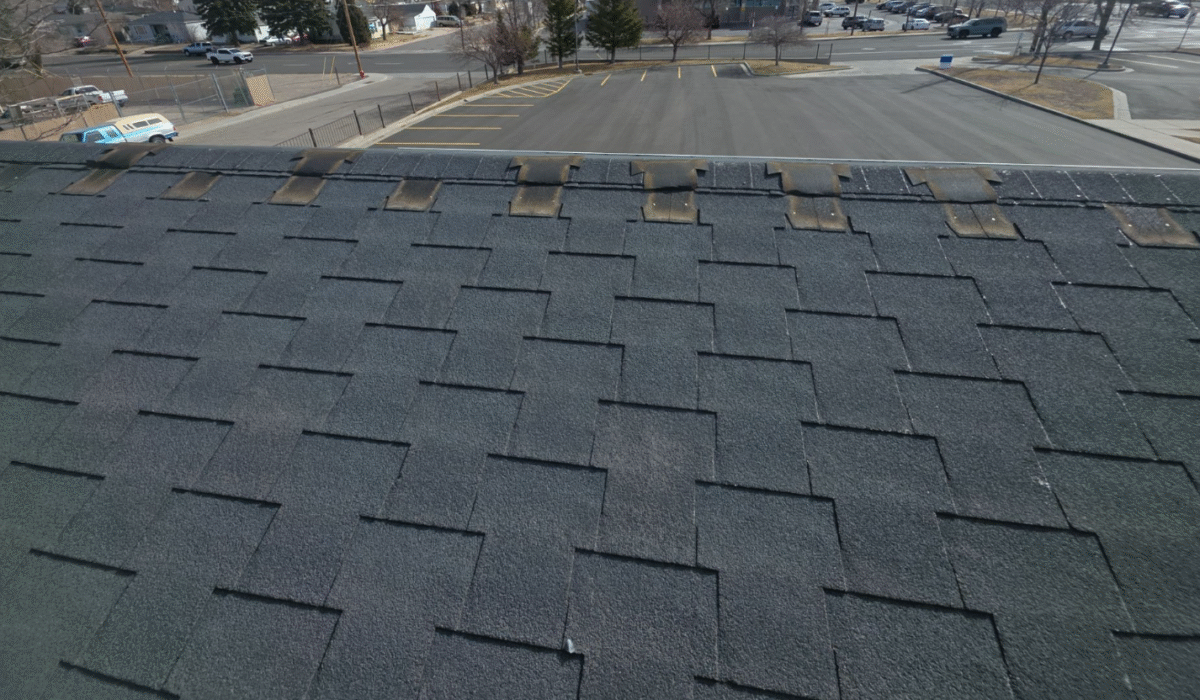
Government buildings play a critical role in supporting communities. Facilities such as municipal offices, schools, courthouses, public safety buildings, and administrative centers require strong infrastructure that can withstand daily use and environmental challenges. One of the most important components of any public facility is the roofing system.
Roof construction for government buildings requires strict adherence to building codes, safety standards, and long-term durability requirements. Unlike residential projects, government roofing projects must meet specific engineering, compliance, and procurement standards.
At Pete’s Builders, we provide professional commercial roofing services for institutional and public sector buildings across Dallas, TX and surrounding areas. Our experienced team understands the complexity of government construction projects and delivers roofing systems designed for durability, safety, and long-term performance.
This guide explores the key standards, materials, and construction practices involved in building roofs for government facilities.
Importance of High-Quality Roofing for Government Buildings
Government buildings serve thousands of people every year. These facilities must remain operational in all weather conditions while protecting occupants and critical infrastructure.
A well-designed roofing system is essential for several reasons:
- Protecting building occupants and equipment
- Maintaining structural integrity of public facilities
- Preventing water damage and costly repairs
- Improving energy efficiency for large buildings
- Supporting long-term maintenance and sustainability
Because government buildings often operate on tight budgets and long-term maintenance plans, roofing systems must be designed to last decades while minimizing repair costs.
High-quality roof construction helps ensure public facilities remain safe, efficient, and functional.
Roofing Standards for Government Construction Projects
Government construction projects follow strict regulations to ensure safety, reliability, and long-term performance. Roofing systems must comply with local, state, and federal standards.
Federal and State Building Codes
Public sector construction must follow established building codes that regulate structural safety, fire resistance, and construction materials. In Texas, roofing systems must comply with local building codes enforced by municipal authorities.
Safety and Compliance Requirements
Government buildings require roofing systems that meet safety regulations related to fire resistance, structural strength, and environmental impact.
Energy Efficiency Standards
Many government buildings must meet energy efficiency standards designed to reduce operational costs and environmental impact. Roofing systems often include insulation and reflective materials that help regulate building temperatures.
Structural Load Requirements
Government facilities must support large roofing systems capable of handling mechanical equipment, HVAC systems, and weather loads such as heavy rain or wind.
Professional contractors ensure roofing systems meet all required regulations and engineering standards.
Common Roofing Materials for Government Buildings
Selecting the right roofing materials is essential for achieving durability and long-term performance. Government buildings often use commercial-grade roofing systems designed to withstand decades of use.
TPO Roofing Systems
Thermoplastic Polyolefin (TPO) roofing is widely used for commercial and institutional buildings. TPO roofing membranes are highly durable and energy efficient.
Benefits of TPO roofing include:
- Heat-reflective surface
- Strong welded seams
- Resistance to UV exposure
- Long lifespan
TPO is commonly used on flat or low-slope roofs found on many government buildings.
EPDM Rubber Roofing
EPDM roofing is a synthetic rubber membrane known for its durability and flexibility. It performs well under temperature fluctuations and offers long-term weather resistance.
Benefits include:
- Excellent flexibility
- Strong weather resistance
- Long service life
- Reliable waterproof protection
EPDM roofing is often used on municipal buildings, warehouses, and administrative facilities.
Metal Roofing Systems
Metal roofing systems are extremely durable and provide excellent resistance to wind, fire, and severe weather.
Metal roofs are often used for:
- government administrative buildings
- schools and universities
- public safety facilities
Metal roofing systems can last 40–70 years with proper maintenance.
Modified Bitumen Roofing
Modified bitumen is another common roofing system for commercial buildings. It combines asphalt with reinforced materials to create strong waterproof membranes.
This roofing system offers:
- excellent durability
- strong waterproof protection
- resistance to foot traffic and mechanical equipment
Built-Up Roofing (BUR)
Built-up roofing systems consist of multiple layers of asphalt and reinforcing fabrics. These layers provide excellent protection against water infiltration.
BUR systems are often used in large commercial buildings due to their durability.
Key Factors in Government Roof Construction
Constructing roofing systems for government buildings requires careful planning and coordination.
Structural Engineering
Government roofing systems must support additional weight from mechanical equipment, solar panels, and maintenance access areas. Structural engineers ensure the roof design can support these loads safely.
Weather Resistance
Roofing systems must withstand local climate conditions. In Dallas, roofs must handle intense sun exposure, heavy rainstorms, and occasional severe weather.
Energy Efficiency
Energy-efficient roofing materials help government buildings reduce operational costs by improving insulation and temperature regulation.
Long-Term Maintenance Planning
Government buildings often have long service lives. Roofing systems must be designed with maintenance access and inspection capabilities.
Roof Design Considerations for Public Buildings
Designing roofs for government buildings involves several important considerations.
Drainage Systems
Flat roofs must include efficient drainage systems that prevent water accumulation. Poor drainage can lead to leaks and structural damage.
Insulation Requirements
Proper insulation improves energy efficiency and helps maintain comfortable indoor temperatures.
Rooftop Equipment Installations
Government buildings often have rooftop HVAC systems, ventilation units, and communication equipment. Roofing systems must support these installations without compromising waterproof protection.
Maintenance Accessibility
Roof designs should allow maintenance personnel safe access for inspections and repairs.
Government Roof Construction Process
Roof construction for government buildings follows a structured process to ensure compliance with regulations and project requirements.
Project Planning and Design
The process begins with architectural planning and engineering analysis to determine the most suitable roofing system.
Material Selection
Contractors and engineers evaluate roofing materials based on durability, cost, and performance requirements.
Contractor Bidding Process
Government projects typically require a bidding process where qualified contractors submit proposals for the construction work.
Construction and Installation
Once a contractor is selected, roofing installation begins according to the approved project plans.
Inspection and Compliance Approval
After installation, inspectors evaluate the roofing system to ensure it meets all regulatory and safety standards.
Maintenance and Inspection of Government Roofing Systems
Regular inspections and maintenance are essential for preserving the integrity of government roofing systems.
Routine maintenance includes:
- inspecting roofing membranes for damage
- cleaning drainage systems
- checking flashing and seals
- repairing minor leaks
Preventative maintenance helps extend the lifespan of roofing systems and reduces repair costs.
Government facilities often schedule inspections annually or after severe weather events.
Benefits of Durable Roofing for Government Facilities
Investing in high-quality roofing systems offers several long-term advantages.
Lower Long-Term Costs
Durable roofing systems reduce maintenance and repair expenses over time.
Improved Building Safety
Proper roofing protects occupants and prevents structural damage.
Better Energy Performance
Energy-efficient roofing materials help reduce heating and cooling costs.
Sustainability Compliance
Many government projects prioritize environmentally friendly construction materials and energy-efficient designs.
Why Government Facilities Choose Pete’s Builders
Government roofing projects require contractors with experience, technical expertise, and strong project management capabilities.
Pete’s Builders has extensive experience providing commercial roofing services in Dallas, TX and surrounding areas. Our team understands the unique requirements of public sector construction projects.
Clients trust Pete’s Builders because we provide:
- experienced commercial roofing specialists
- strict compliance with building codes
- high-quality roofing materials
- reliable project management
- long-lasting roofing solutions
Our goal is to deliver roofing systems that protect government facilities and provide dependable performance for years to come.
Schedule a Consultation for Government Roofing Projects in Dallas, TX
If your organization is planning roof construction for government buildings, working with experienced contractors is essential to ensure compliance, safety, and durability.
Pete’s Builders provides professional commercial roofing services for institutional and public sector projects across Dallas, TX.
Contact Pete’s Builders today to discuss your government roofing project and learn more about our construction and installation services.