

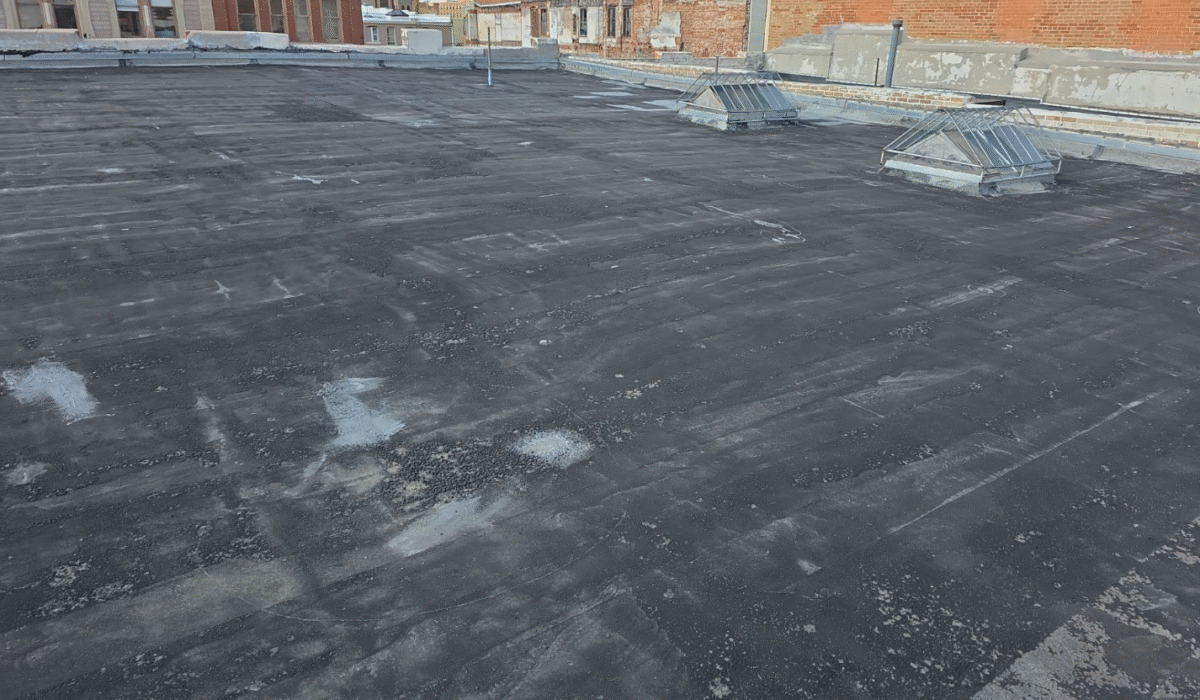
For many commercial property owners, the roof is often out of sight and out of mind—until a leak appears, tenants complain, or expensive repairs become unavoidable. Unfortunately, waiting for roofing problems to occur is one of the most costly mistakes a building owner can make.
A commercial roof maintenance contract helps property owners proactively protect their investment, reduce long-term repair costs, and extend the lifespan of their roofing system. Whether you own an office building, warehouse, retail center, industrial facility, or multi-tenant property, regular roof maintenance can save thousands of dollars over time.
What Is a Commercial Roof Maintenance Contract?
A commercial roof maintenance contract is an agreement between a property owner and a commercial roofing contractor that provides scheduled inspections, preventative maintenance, and minor repairs throughout the year.
Instead of waiting for roofing issues to develop, maintenance programs focus on identifying and correcting problems before they become expensive emergencies.
Most maintenance contracts include:
- Scheduled roof inspections
- Drain and gutter cleaning
- Debris removal
- Leak detection
- Flashing inspections
- Minor repairs
- Maintenance reports and documentation
The goal is simple: keep your roof performing at its best while minimizing unexpected repair expenses.
Why Commercial Roof Maintenance Matters
Your commercial roof protects everything beneath it, including employees, tenants, equipment, inventory, and daily business operations.
Without regular maintenance, small issues can quickly become major problems.
Extend Roof Lifespan
A properly maintained commercial roofing system can last significantly longer than one that receives little or no maintenance.
Routine inspections help identify:
- Membrane damage
- Cracked sealants
- Loose flashing
- Drainage issues
- Storm-related wear
Addressing these concerns early can add years to the life of your roof.
Prevent Costly Repairs
Minor roofing problems are generally inexpensive to fix when caught early.
However, ignoring these issues can result in:
- Interior water damage
- Mold growth
- Structural deterioration
- Damaged insulation
- Emergency repair costs
Preventative maintenance helps avoid these expensive surprises.
Protect Your Warranty
Many commercial roofing manufacturers require routine maintenance to keep warranties valid.
Failure to perform regular inspections may jeopardize warranty coverage if problems occur later.
A documented maintenance program provides proof that your roof has been properly maintained according to manufacturer recommendations.
What Is Included in a Commercial Roof Maintenance Program?
While maintenance contracts vary by contractor and roofing system, most programs include several essential services.
Scheduled Roof Inspections
Professional inspections are typically performed twice per year and after major weather events.
Inspectors evaluate:
- Roofing membranes
- Flashings
- Roof penetrations
- Drainage systems
- Seams and joints
- Surface damage
Drain and Gutter Cleaning
Clogged drainage systems can cause water to pond on commercial roofs.
Standing water increases the risk of:
- Leaks
- Membrane deterioration
- Structural stress
- Premature roof failure
Regular cleaning helps ensure proper water flow and drainage.
Leak Detection
Roof leaks rarely begin as major openings.
Most leaks start as small vulnerabilities that worsen over time.
Routine inspections help identify and repair these issues before water reaches the building interior.
Minor Repairs
Many maintenance agreements include small repairs such as:
- Sealant replacement
- Fastener tightening
- Flashing repairs
- Patching minor membrane damage
Addressing these items early can significantly reduce future repair costs.
Which Commercial Roofs Benefit From Maintenance?
Every commercial roofing system benefits from preventative maintenance.
Common roof types include:
TPO Roofing
TPO roofs are popular for their energy efficiency and durability but still require regular inspections to maintain seam integrity.
EPDM Roofing
EPDM systems can experience shrinkage, seam separation, and punctures if not properly maintained.
Metal Roofing
Metal roofs require inspections for loose fasteners, rust development, and flashing performance.
Modified Bitumen Roofing
Routine maintenance helps prevent cracks, blistering, and water infiltration.
Built-Up Roofing (BUR)
These multi-layer systems benefit from regular inspections to identify surface deterioration and drainage concerns.
How Often Should a Commercial Roof Be Inspected?
Most roofing professionals recommend inspections:
- Twice per year
- After severe storms
- Following hail events
- After heavy snowfall
- Before and after winter
Buildings located in areas with extreme weather conditions may require more frequent evaluations.
Signs Your Commercial Roof Needs Immediate Attention
Even with a maintenance program in place, property owners should watch for warning signs such as:
- Water stains on ceilings
- Interior leaks
- Ponding water
- Damaged flashing
- Increased energy costs
- Mold or mildew growth
- Visible roof damage
Addressing these issues quickly can prevent larger and more expensive problems.
How Commercial Roof Maintenance Saves Money
Many property owners view roof maintenance as an expense. In reality, it is an investment.
Maintenance programs help reduce costs by:
- Extending roof life
- Preventing major repairs
- Reducing emergency service calls
- Protecting warranties
- Improving energy efficiency
- Supporting long-term budgeting
The cost of routine maintenance is typically far lower than the cost of a premature roof replacement.
Choosing the Right Commercial Roofing Contractor
Not all roofing contractors offer the same level of expertise.
When selecting a maintenance provider, look for:
- Commercial roofing experience
- Proper licensing and insurance
- Strong local reputation
- Detailed inspection reports
- Emergency response capabilities
- Experience with your roof type
A trusted contractor should provide clear communication, transparent recommendations, and thorough documentation.
Final Thoughts
A commercial roof maintenance contract is one of the smartest investments a property owner can make. By identifying problems early, reducing repair costs, and extending roof lifespan, preventative maintenance helps protect both your building and your bottom line.
Whether you manage an office building, retail center, warehouse, industrial facility, or multi-family property, a proactive maintenance program can provide peace of mind and long-term savings.
If you’re interested in protecting your commercial roofing investment, contact a qualified commercial roofing contractor today to discuss a customized roof maintenance plan for your property.
Frequently Asked Questions
What is included in a commercial roof maintenance contract?
Most contracts include inspections, drain cleaning, debris removal, leak detection, minor repairs, and maintenance reporting.
How often should a commercial roof be inspected?
Most commercial roofs should be inspected at least twice per year and after major weather events.
Can roof maintenance extend the life of a commercial roof?
Yes. Preventative maintenance helps identify and repair small issues before they cause significant damage.
Is roof maintenance required for warranty coverage?
Many roofing manufacturers require regular maintenance and inspections to maintain warranty protection.
How much does a commercial roof maintenance contract cost?
Pricing depends on roof size, roof type, accessibility, and the scope of services included in the agreement.